Chair Rental vs Salon Suite: How Renting a Chair Works
How renting a chair in a salon works for hairstylists, barbers and nail techs, what the rent covers, and when to move from chair rental to a private salon suite.
Published by Cosmo Salon Studios
March 30, 2026
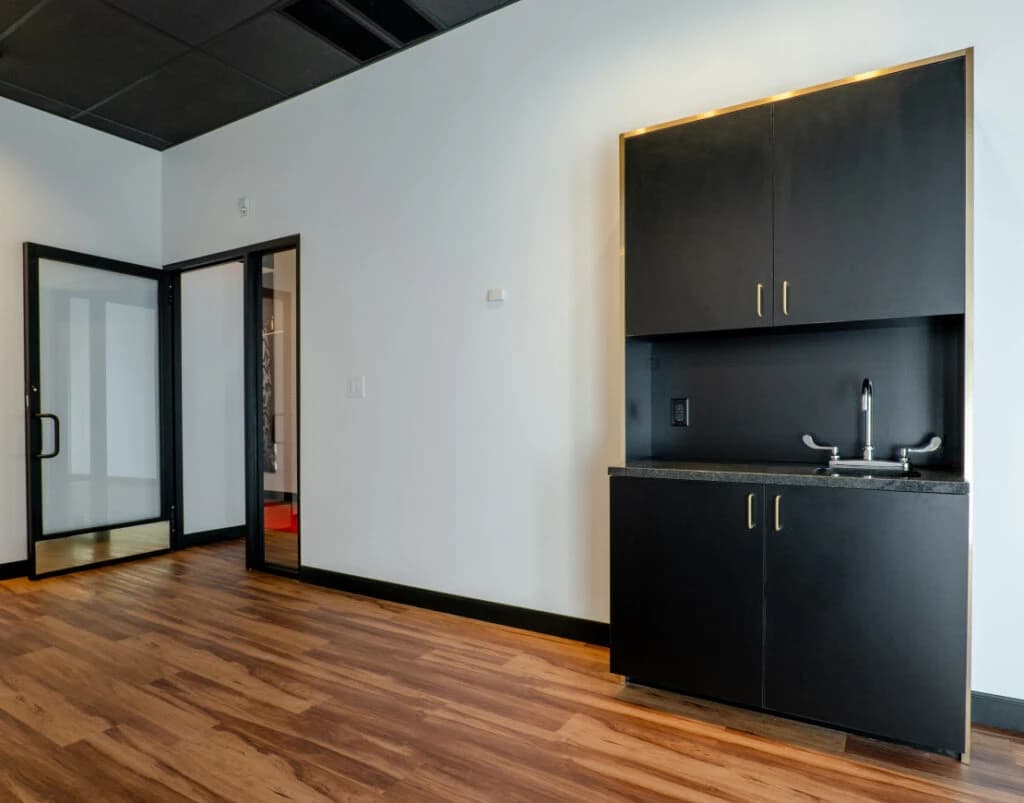
Renting a chair in a salon means paying the salon owner a flat weekly or monthly fee for a chair or station, then running your own book from it. You're an independent contractor, not an employee: you keep what you charge, buy your own products and bring your own clients. A salon suite works the same way financially, but instead of a chair on a shared floor you rent a private, lockable room.
This article covers what chair rental is like day to day. For the full side-by-side of commission, booth rental and suites, start with our booth rental or salon suite guide.
What you get when you rent a chair
Most chair rentals include the chair, a mirror and station, access to shared shampoo bowls or a shared nail or treatment area, utilities and the salon's waiting area. Some include Wi-Fi, towel laundry, backbar product or front-desk booking. Many don't, so ask for a written list.
What you usually provide yourself: color and product inventory, tools, retail stock, professional liability insurance, a booking app and card processing. Those costs sit on top of the rent, which is why the advertised chair rate is never the whole number. We break those costs down in booth rent vs suite rent: what each really costs, and you can put your own chair rent next to a suite's in the salon suite calculator.
Chair rental for hairstylists, barbers and nail techs
The model is the same across specialties, but the details differ:
- Hairstylists usually rent a styling chair with shared shampoo bowls and dryers. Ask whether backbar color and shampoo are included or extra.
- Barbers often rent a chair in a barbershop with walk-in traffic. Ask how walk-ins are shared between renters.
- Nail technicians rent a nail station or table rather than a chair. Check ventilation, sanitation and whether the salon limits which product brands you can use.
Chair rental vs salon suite, side by side
| Topic | Chair rental | Salon suite |
|---|---|---|
| How you pay | A flat weekly or monthly rent to the salon owner. You keep your service revenue. | A flat weekly or monthly rent. You keep 100% of your service revenue. |
| Space | A chair or station on a shared floor, a few feet from other professionals. | A private, lockable room for one professional and one client at a time. |
| Rules | The host salon's policies on hours, products, décor and sometimes pricing. | Your own. You decide hours, products, décor and prices. |
| Clients | Some walk-ins from the salon, plus the clients you bring. | The clients you bring and the brand you build. |
| Client experience | Social and busy. Great for some clients, too public for others. | Private and quiet. Clients get your full attention. |
| Products and supplies | You buy your own; backbar and retail rules vary by salon. | You buy your own and keep all retail income. |
The upside of renting a chair
Chair rental is the lowest-cost way to work for yourself. Compared with commission, you keep what you charge instead of handing the salon a share of every service. You also get a social environment, some walk-in traffic from the salon's own marketing, and other professionals around you to learn from. If marketing isn't your strong suit yet, that built-in traffic is worth a lot.
Where chair rental starts to hold you back
The limits show up once your book fills. You work the salon's hours, use the salon's look, and often its product rules. Clients who want privacy, or who are self-conscious about the service they're getting, may find an open floor uncomfortable. And the client experience reflects the whole salon, not just your work, which can be the difference between a client rebooking or not.
A good test: ask your regular clients whether they enjoy the buzz of a salon floor or would prefer a private room. Their answer tells you a lot about whether a suite would help you raise prices and rebook more.
Run the numbers before you move
A suite usually costs more than a chair, so the move only pays off if your schedule can carry it. Compare what you keep today with what you'd keep in a suite.
So which is for you?
If you're early in your career, renting a chair is a smart, low-risk way to build a client base, let the salon bring some walk-ins, and learn from the people around you.
If you're an experienced professional with a steady client list, a suite is usually the better business: your space, your brand, your prices, and 100% of what you earn. Read the complete booth rental vs salon suite guide for the full comparison, or schedule a tour of a Cosmo Salon Studios suite near you.
Frequently asked questions
How does renting a chair in a salon work?
You sign a rental agreement with the salon owner and pay a flat weekly or monthly fee for a chair or station. You work as an independent contractor: you book your own clients, set most of your own schedule, buy your own products, and keep your service revenue instead of splitting it.
Is chair rental the same as commission?
No. On commission the salon keeps a percentage of every service, often 40% to 60%. With chair rental you pay a set rent and keep what you charge. The salon earns the same rent whether you have a slow week or a full one.
Can nail technicians rent a chair or station?
Yes. Many nail salons rent stations to independent nail techs the same way hair salons rent chairs. Check whether the rent covers the nail table, ventilation, sanitation supplies and product, and whether the salon restricts which brands you can use.
What should I ask before renting a chair?
Ask for the full written fee schedule, what the rent includes, the salon hours you can work, who keeps your client records if you leave, any non-compete terms, product and retail rules, and the notice needed to leave.
When should I move from chair rental to a salon suite?
When your book is consistently full, you want to raise your prices, your clients would prefer privacy, or the salon’s rules on hours and products are limiting your business. A full schedule is what makes the higher suite rent pay off.
For Independent Beauty Professionals
Ready for a studio of your own?
Explore private salon suites across Southeast Michigan and find the Cosmo location that fits your business.